Visualizzazione post con etichetta Design. Mostra tutti i post
Visualizzazione post con etichetta Design. Mostra tutti i post
giovedì 7 aprile 2016


sabato 4 luglio 2015
mercoledì 26 novembre 2014
domenica 23 novembre 2014
sabato 12 aprile 2014
Chairless - by Alejandro Aravena

martedì 5 novembre 2013
Snug mensola svuotatasche - by Giorgio Bombace
La morbida mensola che accoglie su soffici cuscini colorati lo smartphone, le chiavi e gli oggetti che quotidianamente ci portiamo in tasca prevenendo graffi e attutendo rumori.
 Il progetto ritrae una mensola consolle da montare in casa o in uffico, all’ingresso o in qualunque stanza si voglia far scivolare su di essa, in maniera morbida e silenziosa, gli oggetti di prima necessità che oramai ci accompagnano nella quotidianità: chiavi, cellulari, ecc. Grazie infatti al profilo della sua geometria in sezione, disegnato quasi come il compluvio di un tetto ed alla integrazione sulla superficie superiore di una serie di piccoli cuscini, anche gli oggetti più delicati e acusticamente più fastidiosi, in qualsiasi ora e anche con un pizzico di distrazione, possono essere accolti al suo interno senza produrre rumori. La scansione geometrica dettata dalle variazioni cromatiche disponibili a catalogo nella scelta dei tessuti da rivestimento (un morbido feltro a tinta unita) aiuta peraltro il nucleo familiare a definire le proprie ‘aree’ di pertinenza, modificabili inoltre nel tempo semplicemente spostando i diversi cuscini, o addirittura, sostituendone il rivestimento. La mensola misura cm 25 x 90 x 5 di spessore, ed è costituita da un tamburato di rovere tinto naturale, montato con tasselli a scomparsa; delle semplici strisce di velcro aiutano invece a bloccare dei piccoli cuscini rivestiti in feltro nelle gamma di tinte unite disponibili nei principali cataloghi.


lunedì 8 luglio 2013
Attack! - La toppa che risolve molti problemi, soprattutto se cercavi una toppa - by H-57
Una inutile e divertente creazione di H-57, studio di design e agenzia di pubblicità nota a molti per la realizzazione di - questo video -.
Seguire le istruzioni!
sabato 1 giugno 2013
"Universal base": i cavalletti per tavolo disegnati da Philippe Nigro
Letteralmente un tavolo universale, perché adattabile a qualsiasi esigenza di spazio come anche a materiali e superfici preesistenti.
La particolarità di questo Universal base, tavolo disegnato dal giovane Philippe Nigro e già selezionato alla scorsa edizione del VIA (Valorisation de l’Innovation dans l’Ameublement) a Parigi, sta tutta nell’integrazione di morsetti da falegname nelle gambe del tavolo. Morsetti, questi, che sono capaci di accogliere piani di qualsiasi natura e dimensione, grazie anche ad un sistema di allungamento presente nella traversa.
L’effetto finale, ovviamente, non può non ricordare la plasticità d’uso ed il sapore un po’ industriale proprio delle scrivanie supportate da cavalletti. Il prodotto è ancora un prototipo, ma c’è da scommettere che non faticherà molto a trovare un suo posto tra i mobili di produzione industriale.


La particolarità di questo Universal base, tavolo disegnato dal giovane Philippe Nigro e già selezionato alla scorsa edizione del VIA (Valorisation de l’Innovation dans l’Ameublement) a Parigi, sta tutta nell’integrazione di morsetti da falegname nelle gambe del tavolo. Morsetti, questi, che sono capaci di accogliere piani di qualsiasi natura e dimensione, grazie anche ad un sistema di allungamento presente nella traversa.
L’effetto finale, ovviamente, non può non ricordare la plasticità d’uso ed il sapore un po’ industriale proprio delle scrivanie supportate da cavalletti. Il prodotto è ancora un prototipo, ma c’è da scommettere che non faticherà molto a trovare un suo posto tra i mobili di produzione industriale.
lunedì 20 maggio 2013
La Biennale di Venezia | Theatre 2013 | Teatro 2013

Object: Biennale College Theatre 2013
We are glad to send you the special project “Biennale College – Theatre”, a special project addressed to actors, dancers, performers, directors, set designers, playwrights, choreographers, critics, journalists, bloggers.
A project by Àlex Rigola - Director of the Theatre section
ANNOUNCEMENT
This year the Biennale College – Theatre project seeks again to adopt the spirit of a science laboratory: a place of postulation and debate. The Biennale, as a space open permanently to encounter and experimentation, wishes to become established as a valuable opportunity for artists, scholars, spectators, theatre lovers. A factory of ideas that explore the potential of theatre: languages, codes, techniques and technology, the sciences of the stage provide the guidelines for a systematic evaluation, entrusted to masters and experts from around the world.
The Biennale College – Theatre 2013 will offer seventeen workshops.
The programme schedules participants to attend the workshops in the morning and through the early afternoon, the meetings in the late afternoon and the performances in the evenings (with specific discounts, limited places).
For all the workshops that require the submission of a video with no further specifications, it is understood that the video must show the applicants’ work for the theatre.
The deadline for the submission of the applications is June 3rd.
Workshops for the creation of a short final production based on Shakespearian characters, to be performed before an audience on the last day of the Festival.
GABRIELA CARRIZO/ PEEPING TOM*
Ophelia
for: 15 actors/dancers/performers and 5 auditors, in English or Italian
5-11 August
JAN LAUWERS/ NEEDCOMPANY*
King Lear
for: 15 actors/dancers/performers and 5 auditors, in English
5-11 August
ANGÉLICA LIDDELL*
Lucretia
for: 15 male actors/performers and 5 auditors, in Spanish or Italian
5-11 August
KRYSTIAN LUPA*
Hamlet and Ophelia
for: 14 actors and 6, in Italian
5-11 August
CLAUDIO TOLCACHIR*
Macbeth
for: 15 actors and 5 auditors, in Spanish or Italian
5-11 August
Workshop for the creation of a short production (15’) for the 42nd Festival
ROMEO CASTELLUCCI/ SOCIETAS RAFFAELLO SANZIO**
The Meaning of
for: 12 actors/performers and 8 auditors, in English or Italian
1-9 August
Workshops that will involve working with the Company on the production that will be performed at the Festival, on the last day of the workshop.
LA VERONAL**
PICASSO - Pajaros muertos
for: 40 actors/dancers/performers, in English, Italian or Spanish
1-9 August
MOTUS**
Storm Chaser: The Tempest
MucchioMisto Workshop organized by Motus (Enrico Casagrande, Daniela Nicolò and Silvia Calderoni)
for: 15 actors/performers and 5 auditors, in English or Italian
1-4 August
Scenography workshop
ANNA VIEBROCK**
Deaths in Venice
for: 20 actors/directors/set designers/playwrights, in English
7-10 August
Dramaturgy workshops
WAJDI MOUAWAD*
The Creative Process
for: 20 playwrights/directors/actors/
2-6 August
FAUSTO PARAVIDINO**
for: 20 playwrights/directors/actors/
2-6 August
FLORIAN BORCHMEYER/ SCHAUBÜHNE*
Adapting and Rewriting the Classics: Il Gattopardo
for: 20 playwrights/directors/actors/
7-11 August
Master class
UTE LEMPER*
Masterclass
for: 20 actors/singers and 10 auditors, in English
2 August
Teatro la Fenice, Venice
Other workshops
DECLAN DONNELLAN - NICK ORMEROD/ CHEEK BY JOWL*
Classical Text and the Ensemble: Measure for Measure
for: 20 actors, in English or Italian
1-4 August
DIRK ROOFTHOOFT/ TONEELHUIS*
Words Fluttering Away
for: 15 actors/dancers/performers and 5 auditors, in English, French or Italian
3-6 August
THOMAS OSTERMEIER/ SCHAUBÜHNE*
Re-directing the Classics: Shakespeare
for: 15 actors/dancers/performers and 5 auditors, in English or Italian
6-10 August
Critical Workshops
ANDREA PORCHEDDU
The Tempest – daily print newspaper of the Theatre Biennale
for: 8 critics, bloggers, journalists, who have worked at least 2 years for blogs, websites or daily print newspapers specialized in theatre, performance, and live entertainment; 1 photographer specialized in stage and theatre photography; 1 illustrator-cartoonist, all under the age of 35
1-11 August
RULES FOR PARTICIPATION
Applicants in the selection process may choose more than one workshop if attendance is compatible. They must apply on the Biennale website (www.labiennale.org/teatro) and submit specific material for each workshop.
Deadline for applications for the selection process
The material containing the documentation in digital form must be submitted on or before June 3rd 2013.
The Director Àlex Rigola will select the applicants in collaboration with the Masters conducting the individual workshops: their decision will be final and the results of the selection will be announced to the winners by June 17th 2013.
Fees
Workshops marked with (*): 100 euro VAT included (including the vision of the show of the master with whom you are working)
Workshops marked with (**): 80 euro VAT included
Payment
Each selected applicant will be required to pay the registration fee following the announcement of acceptance and in any case on or before July 1st 2013.
All costs involved in participating in the workshop (travel, room and board) will be at the expense of the participants.
For further information:
Facebook: Biennale Teatro
martedì 7 maggio 2013
Ostrich Pillow, Studio Banana Things

What Is it: The Ostrich Pillow, a pillow that goes over your entire head to help you nap anywhere, any time.
Price and Where to Buy: $99 at Studio Banana.
Pros: You definitely won't have to worry about a chatty seatmate if you're wearing this on a plane or train—people will be sure to give you a wide berth. It's also surprisingly cozy and good at blocking out light and noise. The holes give you a place to rest your arms, and you could use it to sleep face down on a tray table (if the person in front of you hasn't reclined) in coach. The sweatshirt like material cover is warm and comfortable.
Cons: Nothing screams "rob me" like essentially wearing a bag over your face while in public. You'll have no peripheral vision while wearing this, so you won't be able to spot any danger coming your way. Also, you'll be sure to attract lots of attention (probably not the good kind) while wearing this. Although the pillow is squish-able, it will still take up a lot of space in your carry-on, so it's not ideal for travel.


venerdì 26 aprile 2013
I Prelibri di Bruno Munari
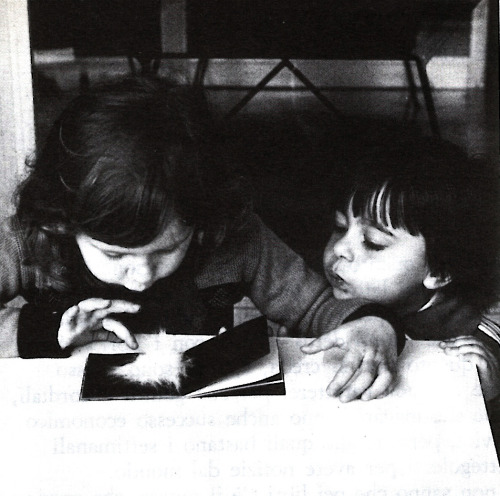
B – Un oggetto fatto da tanti fogli, tenuti assieme da una rilegatura.
A – Ma cosa c’è dentro?
B – Di solito ci sono delle parole che, se fossero messe tutte in fila su una riga sola, questa riga sarebbe lunga chilometri e per leggerla bisognerebbe camminare molto.
A – Ma che cosa si legge in quelle parole?
B – Si leggono tante storie diverse, storie di gente di oggi o dei tempi antichi, esperienze scientifiche, leggende, pensieri filosofici o politici molto difficili, poesia, bilanci economici, informazioni tecniche, storie di fantascienza…
A – Anche favole?
B – Certamente anche favole, storie antiche, nonsense, limerick.
A – Con tante figure?
B – Certe volte con moltissime illustrazioni e poche parole.
 A – Ma a cosa serve un libro?
B – A comunicare il sapere, o il piacere, comunque ad aumentare la conoscenza del mondo.
A – Quindi se ho ben capito serve a vivere meglio.
B – Spesso sì.
A – Ma la gente li usa questi libri?
B – Alcuni ne leggono molti, altri li usano per decorazione, c’è gente che ha in casa un solo libro: l’elenco dei telefoni.
A – Allora sarebbe utile che anche i bambini di tre anni cominciassero a familiarizzarsi con il libro come oggetto, a conoscerlo come strumento di cultura o gioco poetico, ad assimilare quella conoscenza che facilita l’esistenza.
B – La conoscenza è sempre una sorpresa, se uno vede quello che sa già, non c’è sorpresa. Bisognerebbe fare dei piccoli libri tutti diversi tra loro ma tutti libri, ognuno con dentro una sorpresa diversa, adatta a bambini che non sanno ancora leggere.
A – Posso averne uno anch’io?
B – Ne avrai una intera biblioteca, piccoli libri di tanti materiali diversi, di tante materie diverse: un libro di ottica, un libro di avventure tattili, un libro di geometria dinamica, uno di ginnastica, uno storico culturale, uno di filosofia, un romanzo d’amore, un libro pieno di tutti i colori, un libro trasparente, un libro morbido, un libro di fantascienza…
A – Ma come si chiamano questi libri?
B – I PRELIBRI.
A – Li voglio subito.
Bruno Munari, Febbraio 1980
giovedì 30 agosto 2012
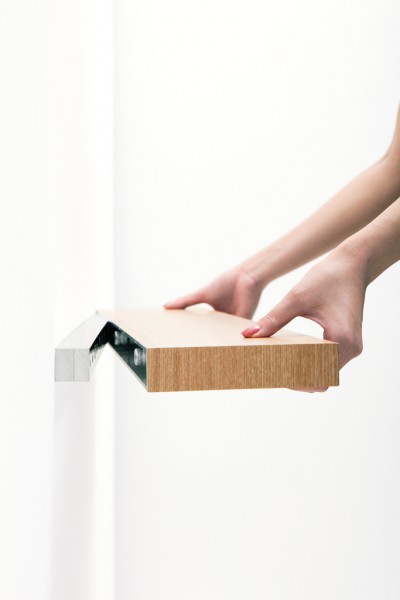
Clopen | a floating shelf that hides a secret drawer
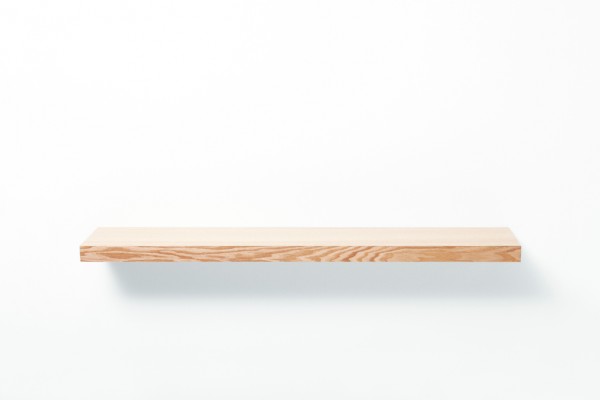
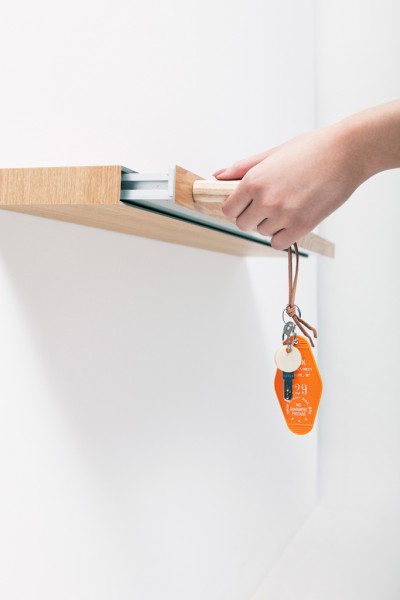
It’s a simple, unassuming floating shelf that appears to be made from a single piece of timber. But 2 stubs of wood that conceal magnets act as “keys,” revealing a secret 23mm drawer that can hide valuables like your passport or jewelry. So cool!
Titled “clopen,” the secret was designed by Torafu Architects (previously).
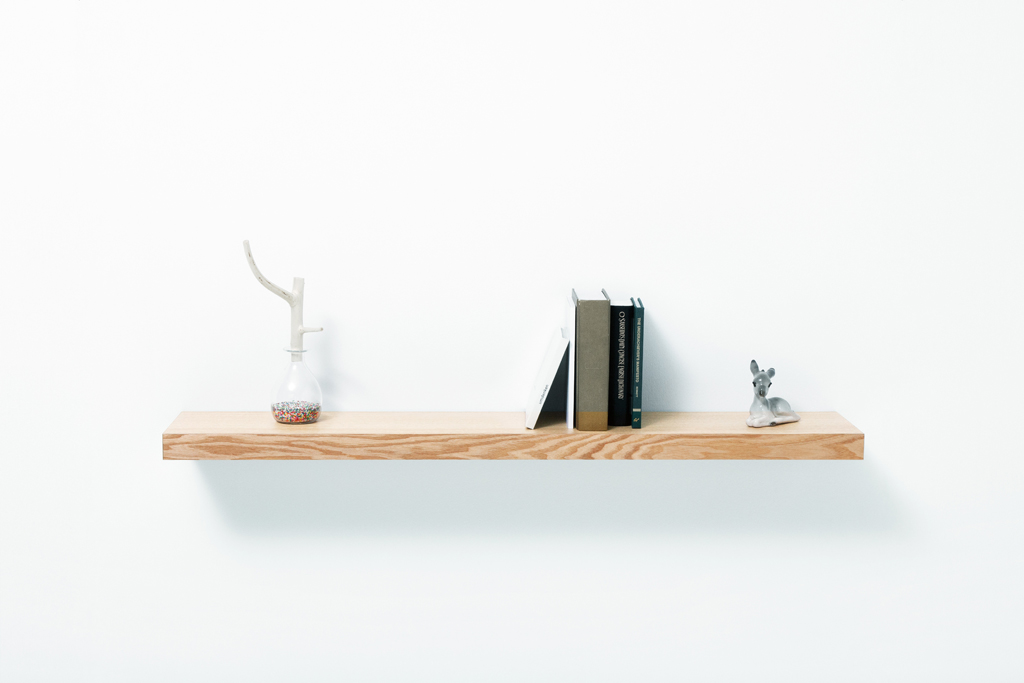
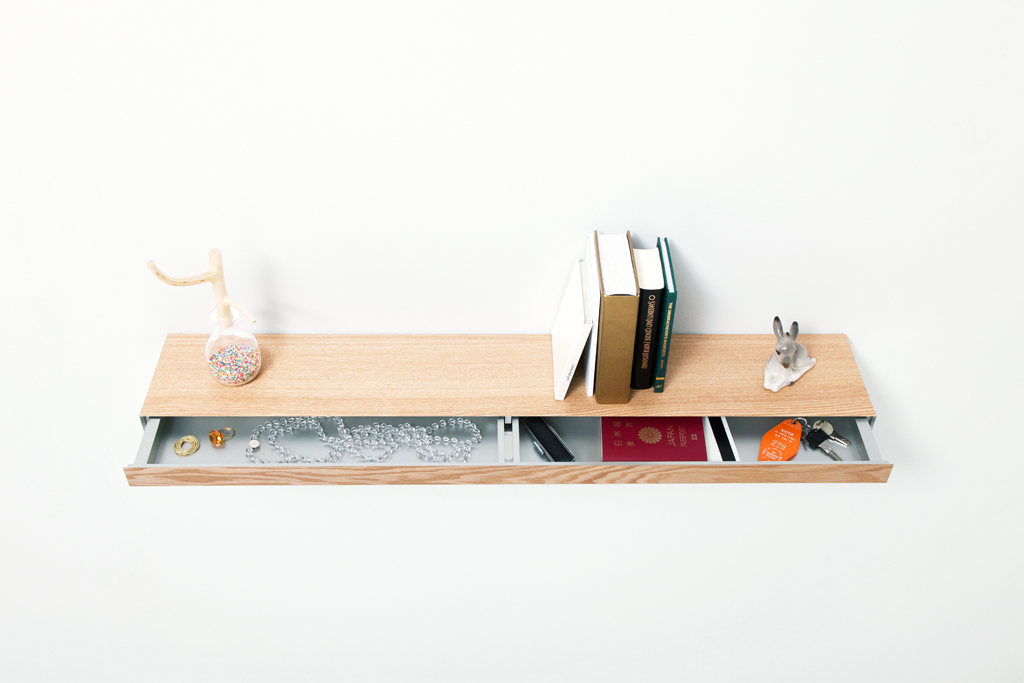
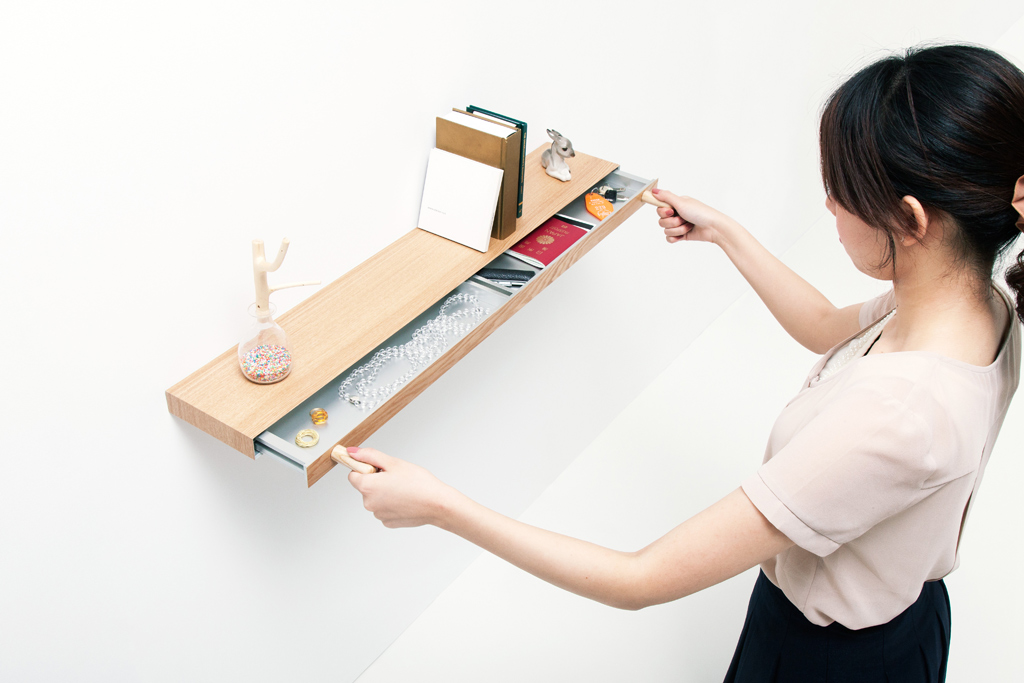

via Spoon-Tamago
BRUNO MUNARI: MY FUTURIST PAST

The exhibition Bruno Munari: My Futurist Past aims to investigate the activity of one of the most complex, creative and multi-faceted figures of Italian 20th century art. It will analyse Bruno Munari’s aesthetic development from his initial Futurist phase (around 1927) to the post-war period (up to 1950) when, as one of the founders of the Movimento Arte Concreta, he became a point of reference for a new generation of Italian artists. It will also illustrate how his pioneering work exerted an influence that stretched far beyond the borders of his native country.
Bruno Munari began his career within the Futurist movement. From the very beginning, he was concerned with exploring the possibility of representing painting spatially through a continuous flow of forms rendered mutable through the incorporation of a temporal dimension, in accordance with the theories of Giacomo Balla and Fortunato Depero in their 1915 Manifesto ‘Futurist Reconstruction of the Universe’. Munari described the roots of his work as his ‘Futurist past’, and the movement’s ambitious scope certainly informed his kaleidoscopic career, leading him to work across a range of media and disciplines from painting to photomontage, sculpture, graphics, film and art theory. Indeed, his influences were extremely varied, also reflecting the aesthetics and sensibilities of movements such as Constructivism, Dada, and Surrealism… (press release)
September 19 – December 23, 2012
Estorick Collection of Modern Italian Art, London
Estorick Collection of Modern Italian Art, London
via Manystuff
sabato 23 giugno 2012
Global City: A Sprawling Mural Drawn on the Walls and Cabinets of a Kitchen by Deck Two


Global City is an impressive new mural by graffiti artist Deck Two that was completed early this month in New York. The line drawing, which stretches across white walls and cabinet doors, includes major landmarks and scenes from countries around the world. Watch the artist at work in this video shot and edited by Nathalie Lapicorey and Thomas Dartigues. (via This is Colossal)
CONSTRUCTION SCHOOL – JAMES LANGDON

James Langdon will present an ongoing research project on the subject of the Construction School, an experimental design programme in Bristol, England (1964 to 1979).
This work explores the history of a bold attempt to establish an experimental art school in a provincial English context. The first phase (1964 to 1968) placed an emphasis on interdisciplinary working and collaboration. The second phase (1975 to 1977) was defined by a radical attempt to decentralise the educational structure of the school.
The school’s history is closely bound to the career and concerns of its founder Norman Potter, a practitioner in the margins of a mid-twentieth century English design culture. His work at the Construction School represents a period of intense critical thought about the structure of design education. The constitution of the school exemplified many of the ideas expressed in Potter’sWhat is a Designer, a text that was formulated during his time in Bristol. In particular Potter’s emphasis on the relational aspects of design – the mechanics of social interactions that shape design processes – was a defining feature of his programme.
The school’s history is closely bound to the career and concerns of its founder Norman Potter, a practitioner in the margins of a mid-twentieth century English design culture. His work at the Construction School represents a period of intense critical thought about the structure of design education. The constitution of the school exemplified many of the ideas expressed in Potter’sWhat is a Designer, a text that was formulated during his time in Bristol. In particular Potter’s emphasis on the relational aspects of design – the mechanics of social interactions that shape design processes – was a defining feature of his programme.
June 29, 2012
Corner College, Zürich
Corner College, Zürich
via Manystuff
mercoledì 11 aprile 2012
THE ARTISTS’ POSTCARD SHOW

Intimate and immediate, the artist’s postcard is a microcosm, a miniature work of art designed for a specific social purpose through which we can also trace the rich histories of modern and contemporary art.
The Artists’ Postcard Show is a selective survey of the postcard as a distinctive artistic medium from the mid-twentieth century to present day. All of the works have been produced with the idea, if not always the function, of the postcard in mind: that distinctive double-sided greeting designed for use without an envelope…
April 6 – June 17, 2012
Spike Island, Bristol
Spike Island, Bristol

martedì 13 marzo 2012
Kitchen Pegboard
I did this quite awhile ago, but thought I would go ahead and post it here since it is something that I would consider making for people. I like how it looks in the kitchen, and how flexible it is in terms of being able to move things around. It is made from standard 1/4” pegboard material with a simple wood frame behind it, and in this case painted the blue that you see here. Those are wall track lights on the right, and are not really part of the piece.
via handsome craft works
giovedì 8 marzo 2012
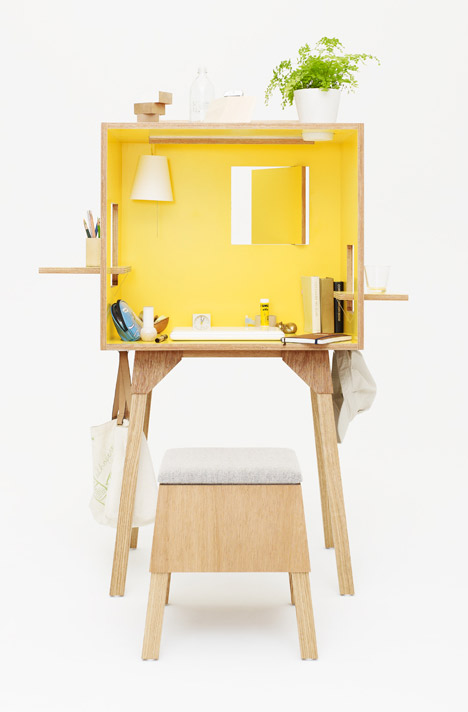
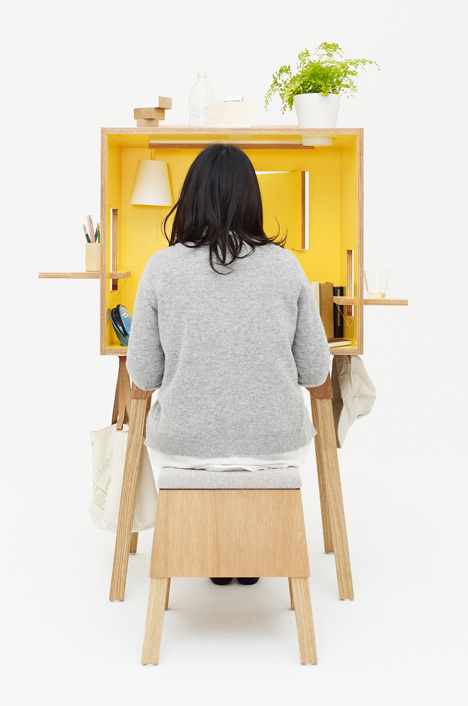
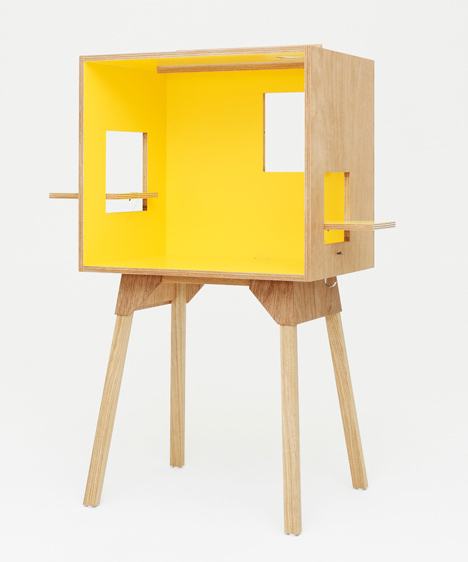
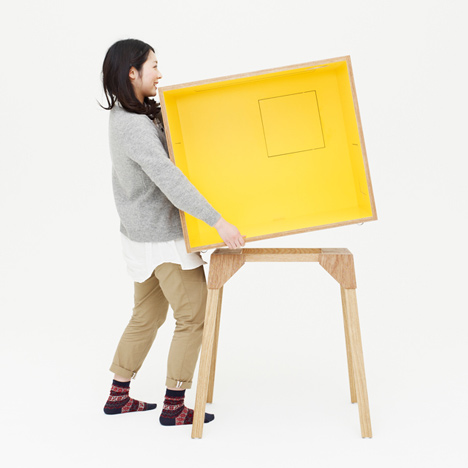
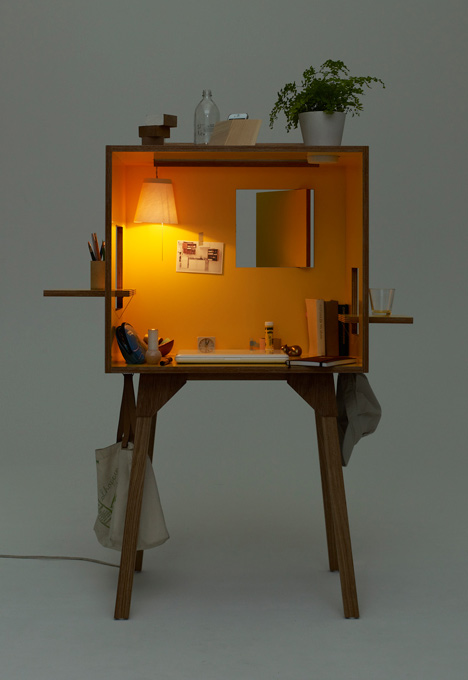
Koloro Desk | a dollhouse workspace by Torafu Architects
koloro desk
via Spoon & Tamago
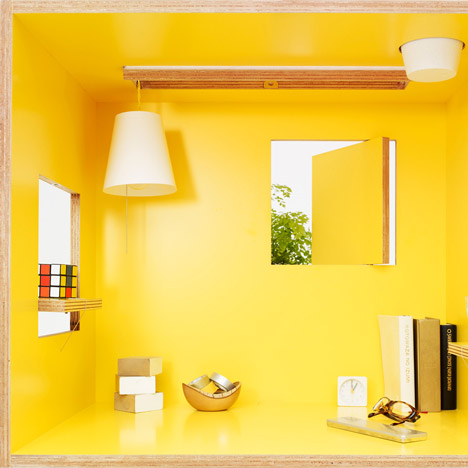
images courtesy Torafu | click (the small ones) to enlarge
Torafu‘s latest work is the koloro desk and stool, a customizable workspace and, what is to be, the first in a series of products for decorative plywood manufacturer Ichiro. The desk, which resembles a dollhouse, also happens functions like one. It comes with windows in various locations that can be opened and closed to adjust the level of privacy. There are also spaces for lighting, potted plants, and even a windowsill that can be used for display or storage purposes.
It reminds me a bit of the work of Kawamura-Ganjavian, who’ve also come up with various solutions for maintaining privacy in open working environments. See Deskshell or, for maximum privacy, Ostrich.


U.G. Sato and his Anti-Nuclear Power Posters
via SPOON & TAMAGO
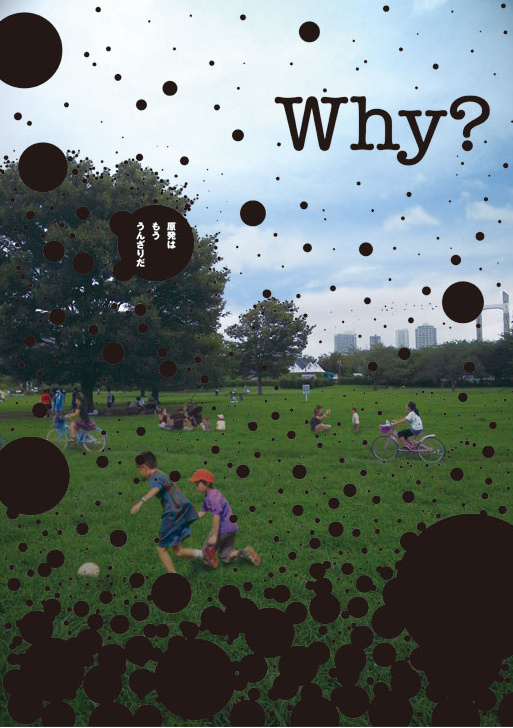
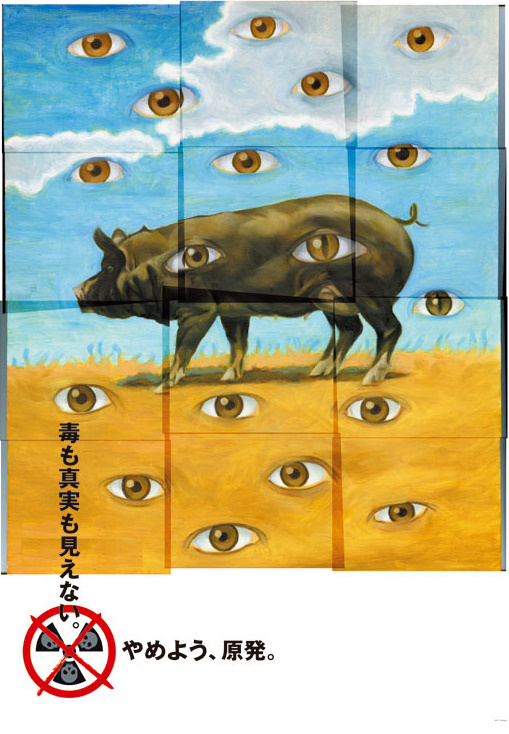
Stopnuclear.net is an online poster gallery of anti-nuclear posters, founded by prominent graphic designer Yuji Sato (aka U.G. Sato). Whether he’s advocating for world peace or against nuclear power, Sato’s work has always been politically motivated. In 1995, Sato invited his graphic designer colleagues to send him posters by fax to protest french nuclear tests that were being conducted uncomfortably close to Japan. The outpour of responses resulted in a street demonstration in Paris.
Following the same playbook, Sato went through his rolodex of graphic designers, inviting everyone who felt like it to submit posters to his website. In October of last year a peaceful street protest was held as demonstrators marched with their posters.
Here are a selection of posters from the website. Click images to enlarge.




martedì 14 febbraio 2012


Iscriviti a:
Post (Atom)
Campionare i fumetti: Samplerman comics by Yvang
"Yvan Guillo, aka Yvang, è un fumettista francese nato nel 1971. Ha cominciato pubblicando fumetti in varie fanzine fin dai primi anni ...

-
 Paul Gauguin, Visione dopo il sermone: cm. 73 x 92, Edimburgo, National Gallery of Scotland Come quelle ragazze dagli abiti tradizionali, ...
 -
 Exposition de 340 photographies réalisées dans les prisons de la capitale, de 1851 à aujourd'hui. Ouvert tous les jours de 10h à 18h, sa...